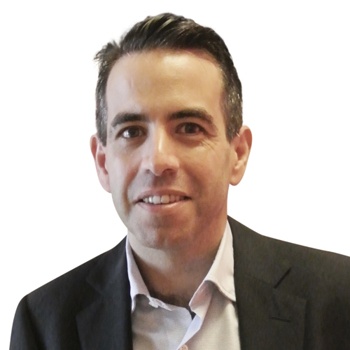
CCC Medical Oncology Registrar Dr Omar Fakih is beginning a new Research Fellowship with the University of Liverpool looking at improving immunotherapy treatments for uveal melanoma, the most common eye cancer in adults.
Dr Fakih joined Clatterbridge as a specialty trainee in 2023 and has published seven scientific papers, including three as first author, and has played a key role in enhancing training opportunities for Advanced Nurse Practitioners while delivering Acute Oncology education to junior doctors across the region.
Uveal melanoma behaves very differently from skin melanoma and has historically responded poorly to immunotherapies. Although many eye tumours can be successfully treated initially, around half of patients later develop cancer spread – usually to the liver – where curative treatment is very difficult.
One major challenge is that uveal melanoma cells have very few surface “flags” that help the immune system recognise and attack them. Newer immunotherapy treatments such as tebentafusp act as a bridge between cancer cells and immune cells and have significantly improved outcomes for some patients. However, not all patients are eligible for this treatment, and even in those who are treated, their cancer can still develop resistance to tebentafusp by switching off key proteins involved in antigen presentation machinery (APM) – the process that allows immune cells to detect them.
Dr Fakih’s research, which is funded by Clatterbridge Cancer Charity, will explore how and why these resistance mechanisms occur, using advanced laboratory models and patient samples.
He will investigate potential therapies that could restore or boost APM function, making treatments like tebentafusp more effective for more patients and for longer. Potential approaches include virus-based treatments and drugs that increase the proteins required for antigen presentation.
Although the project is centred on uveal melanoma, it may also benefit people with other cancers – including bowel cancer – that are resistant to current immunotherapies and frequently spread to the liver.
Dr Fakih said: “I am really looking forward to starting this work and I would like to thank Clatterbridge Cancer Charity for giving me the opportunity to pursue these important questions here at Clatterbridge and funding this research.”